Arco, Obsession Gallery
Obsession Gallery
until May 16, 2026
Tuesday to Saturday, 2 PM — 7 PM
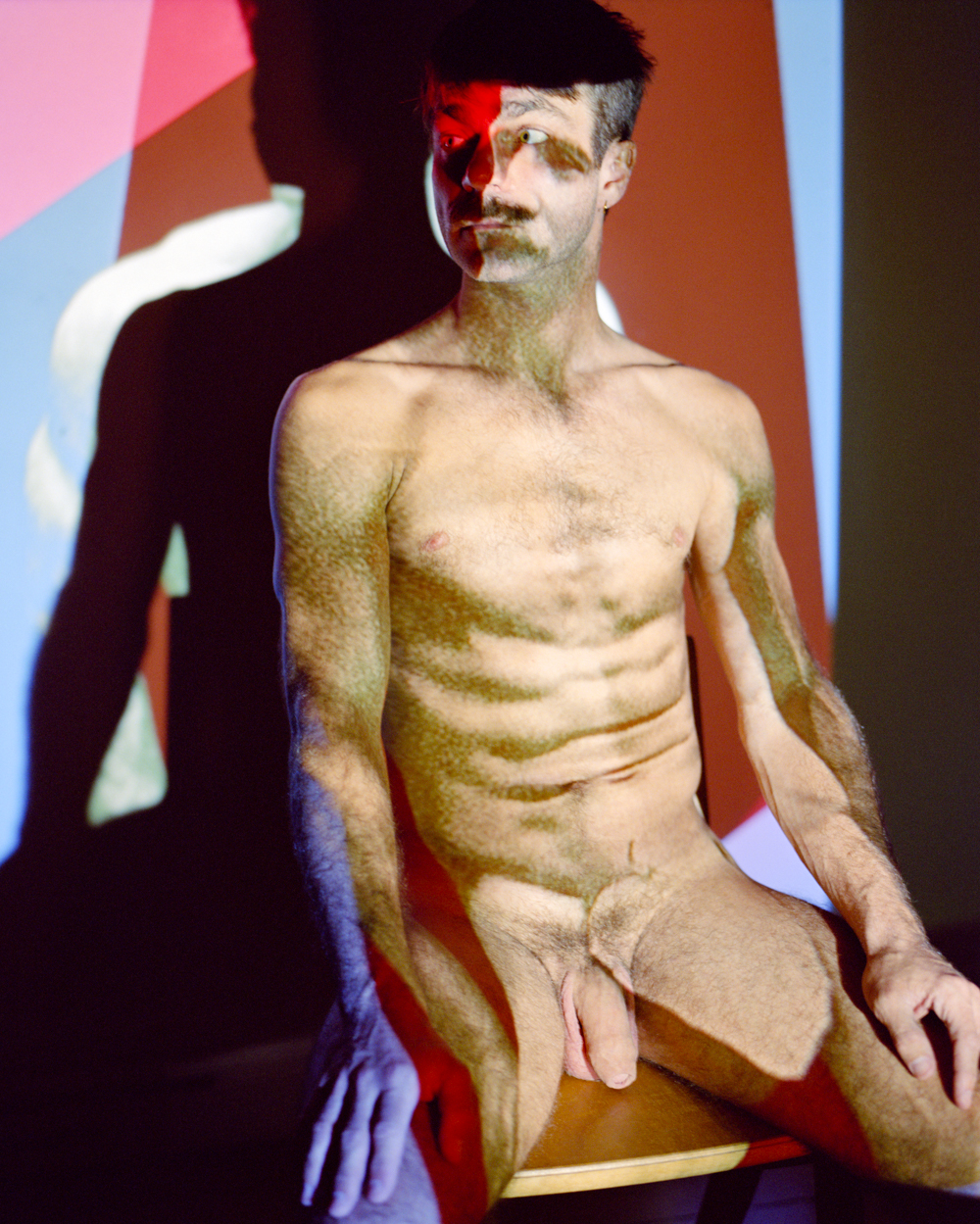
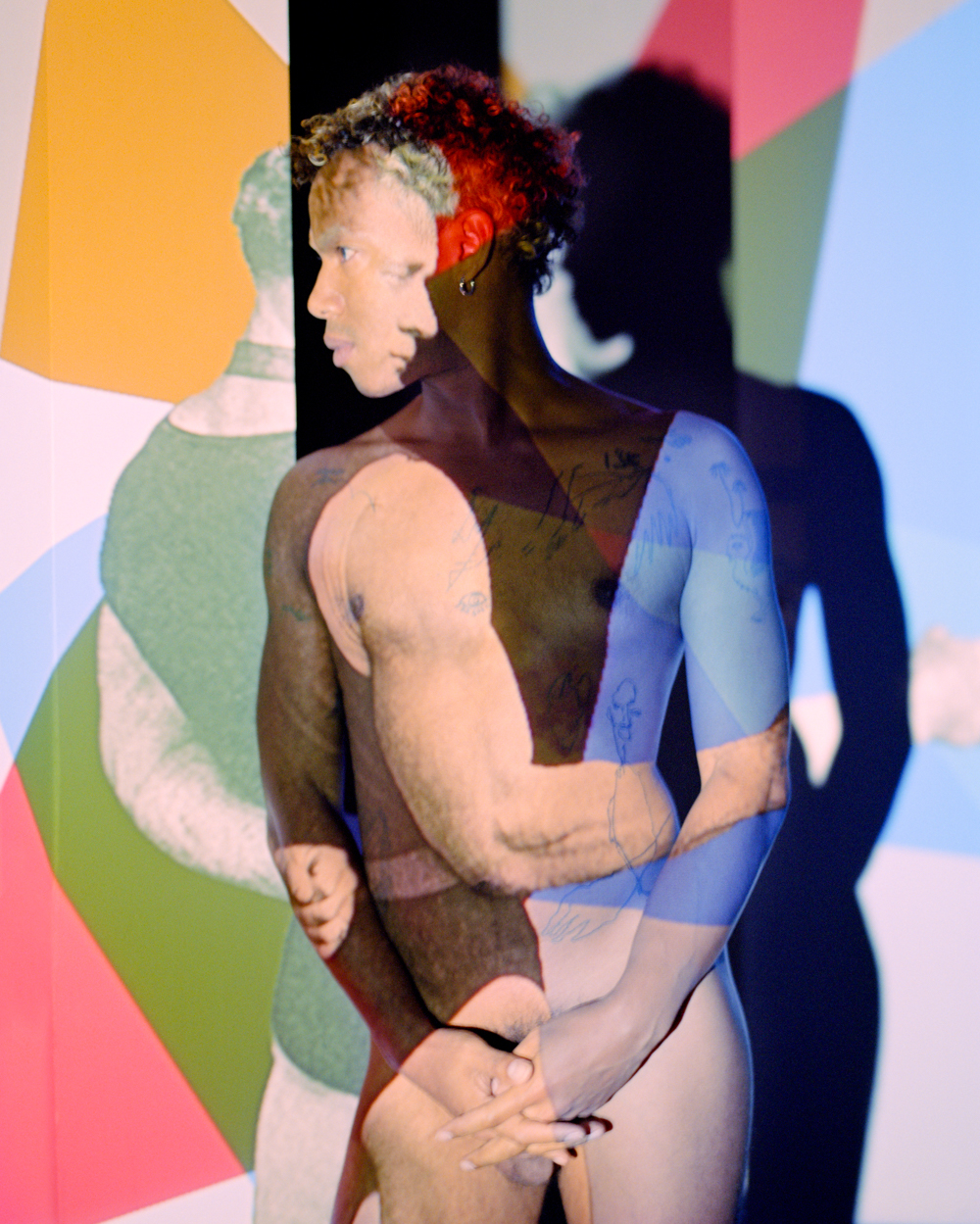
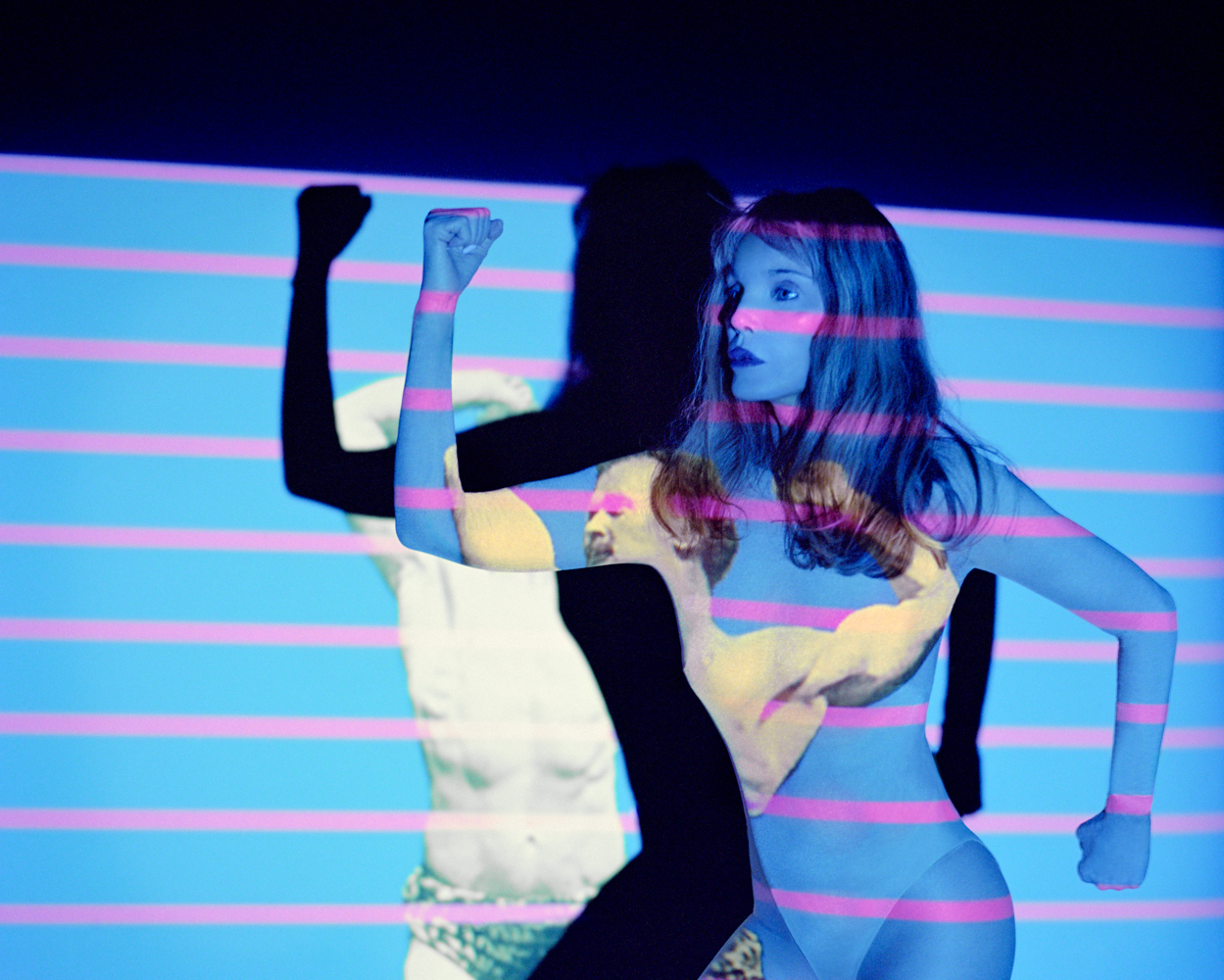
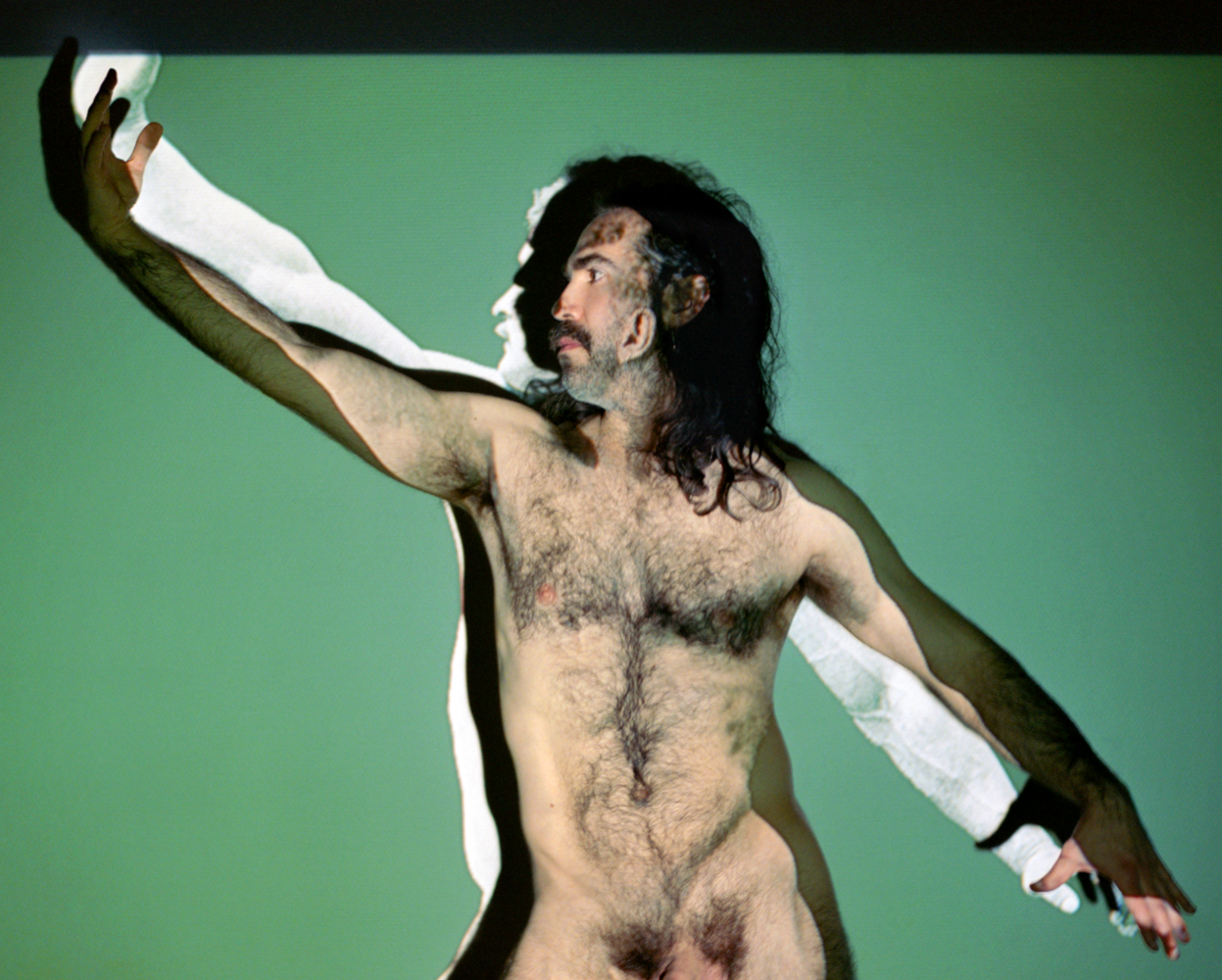
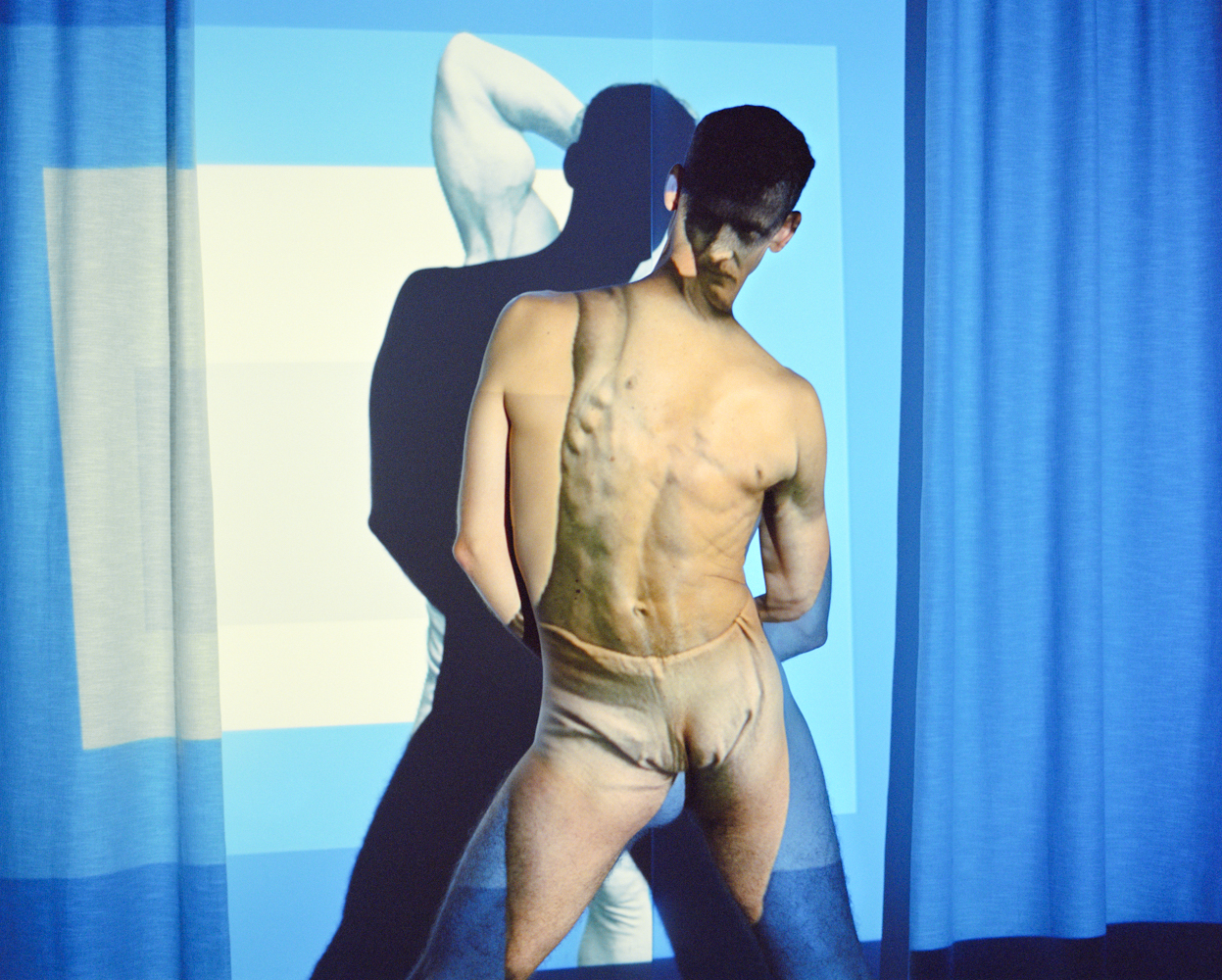
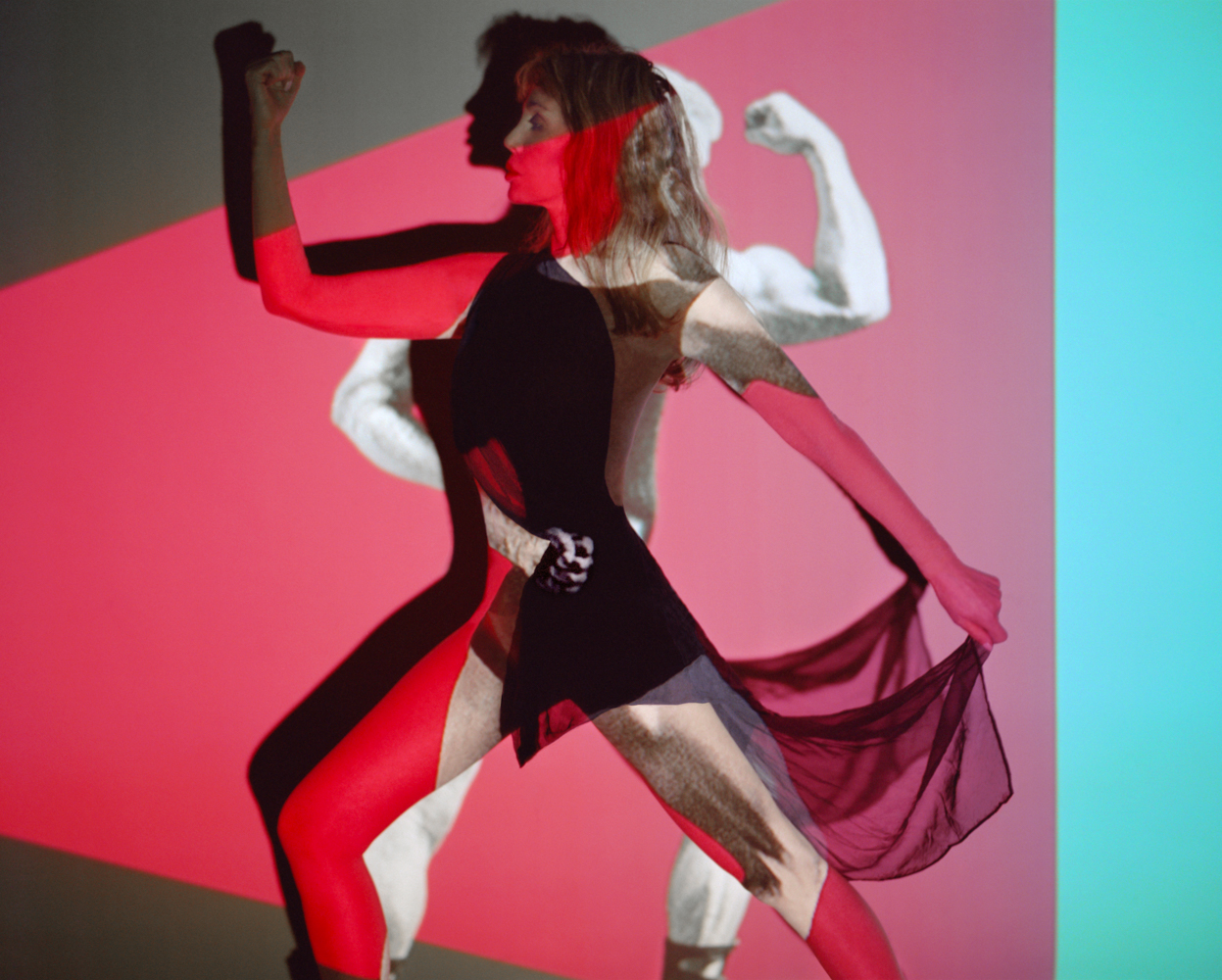
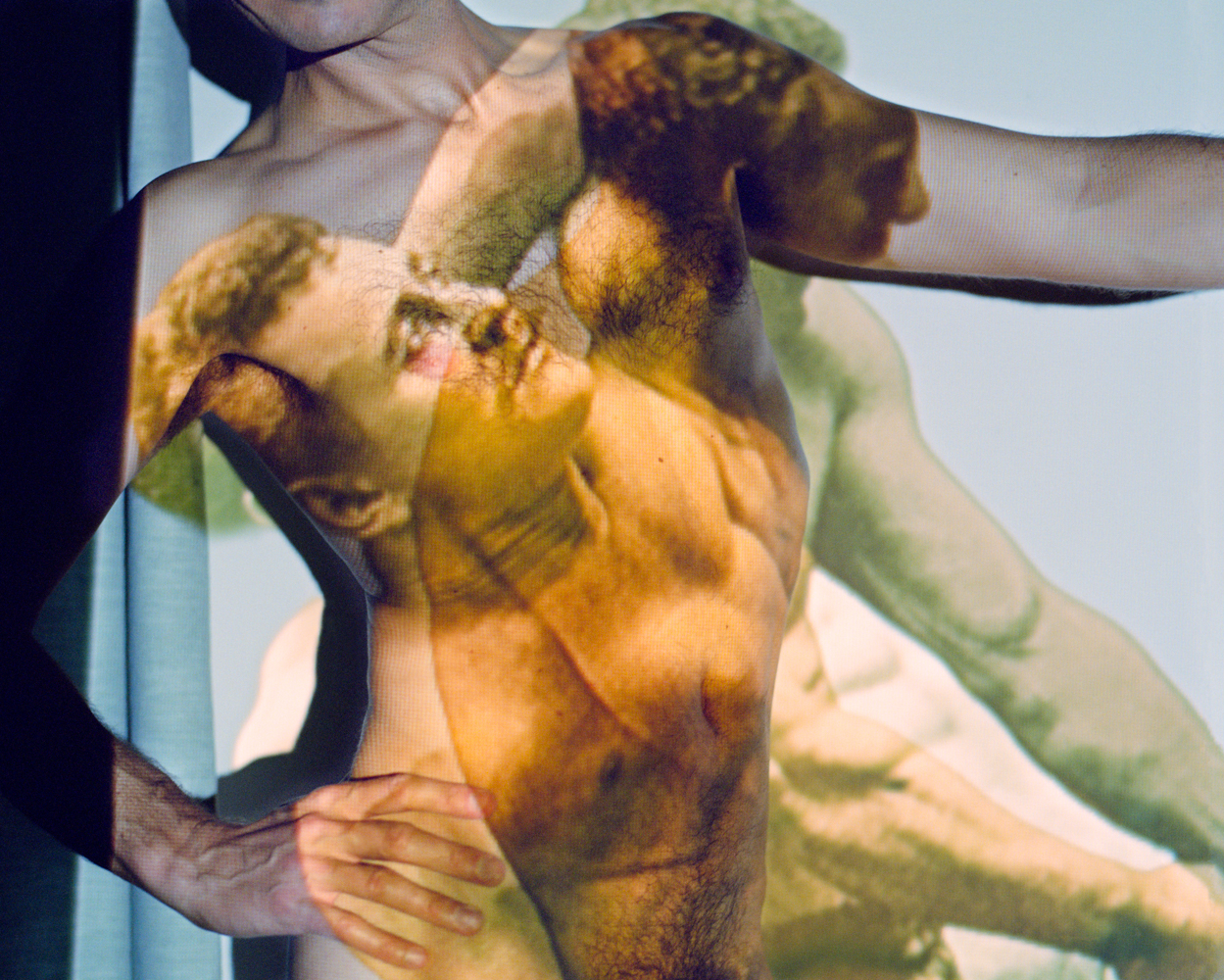
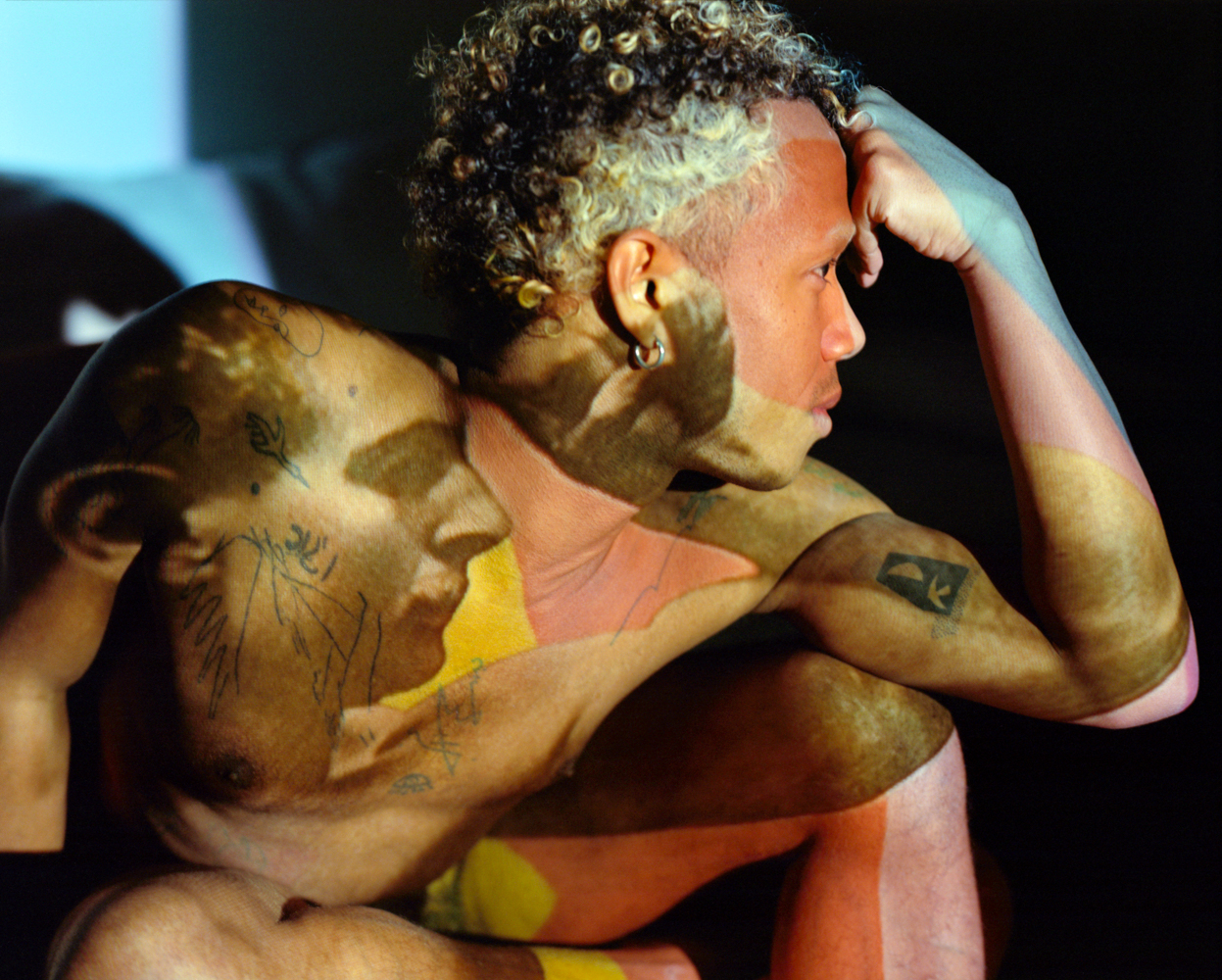
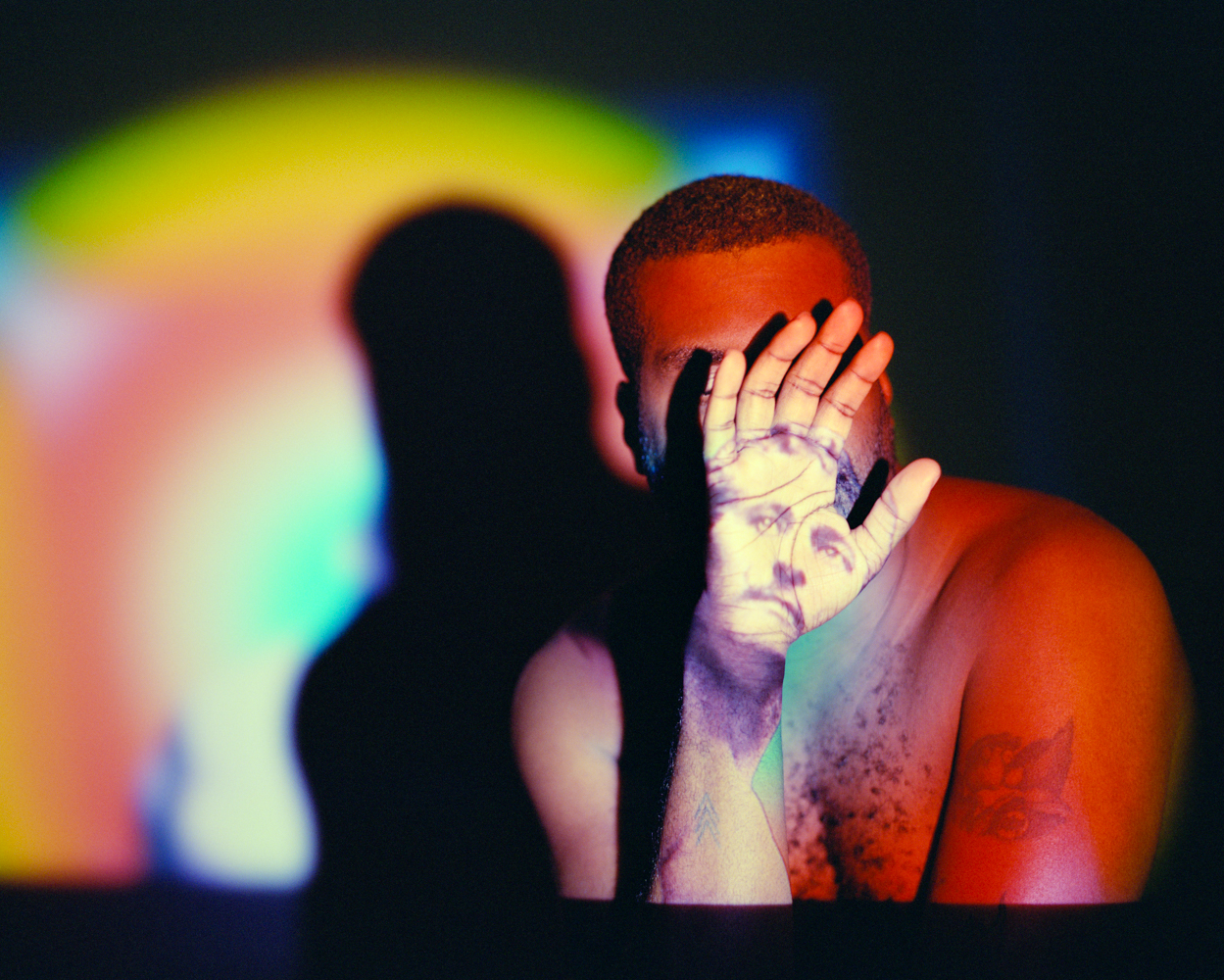
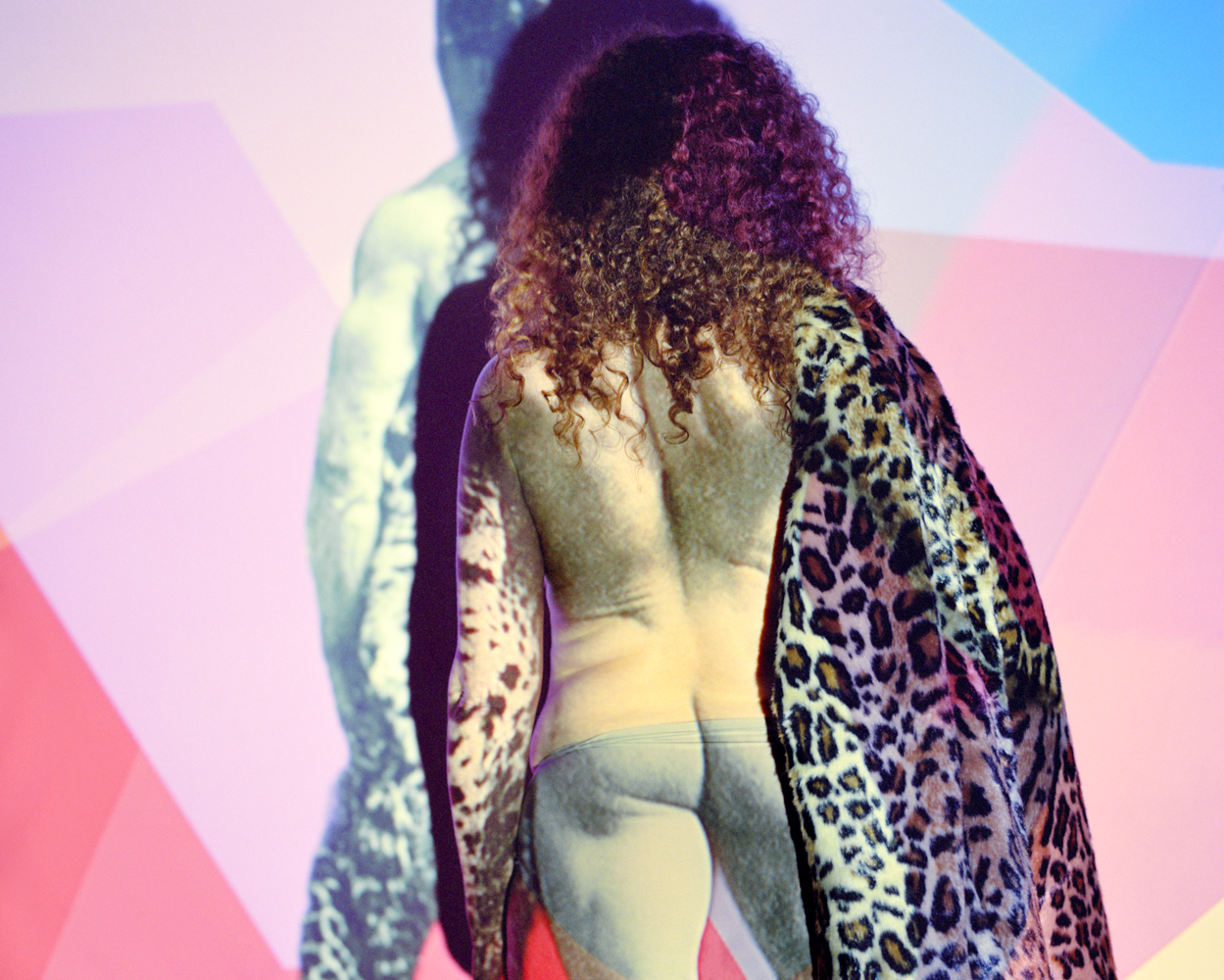
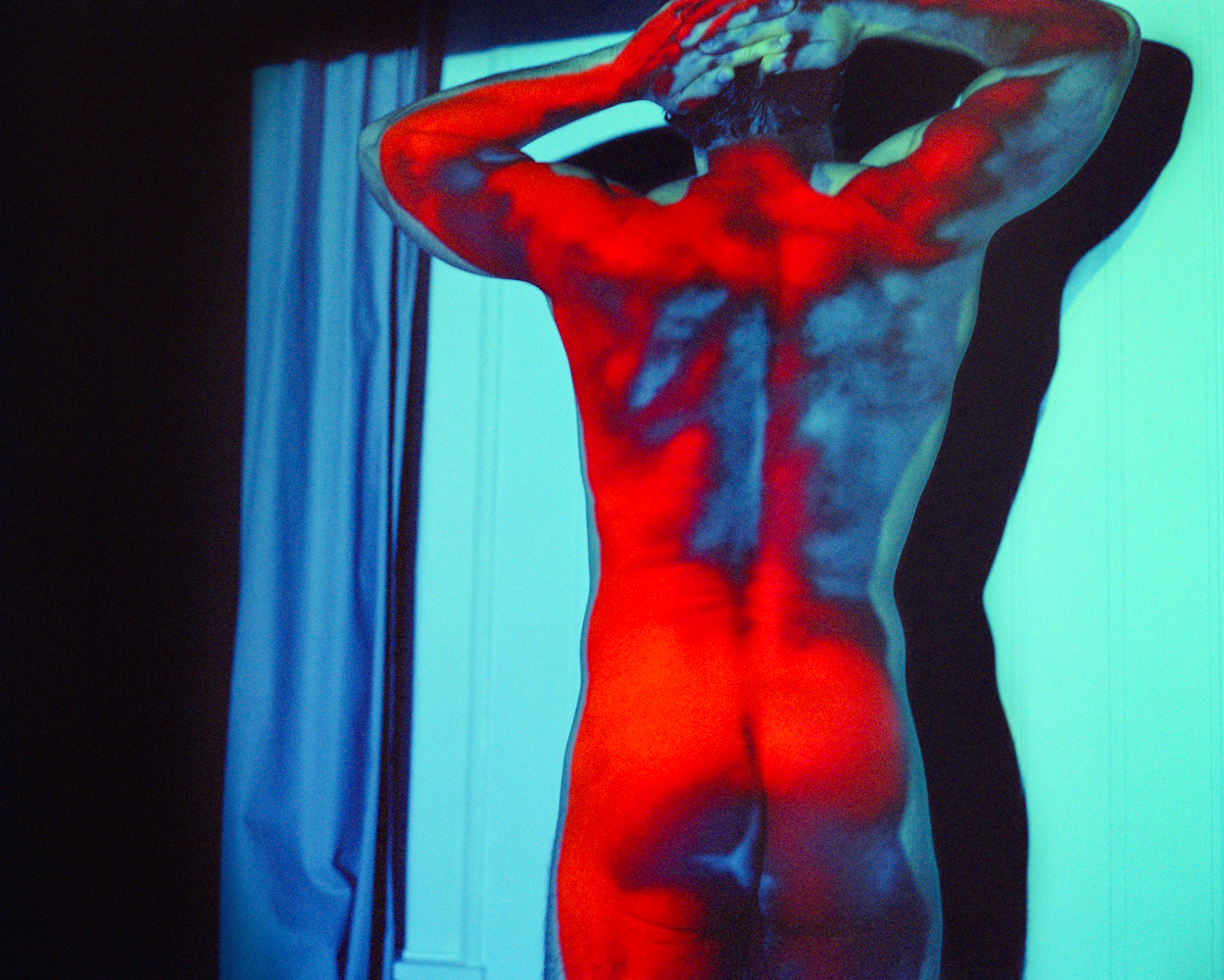
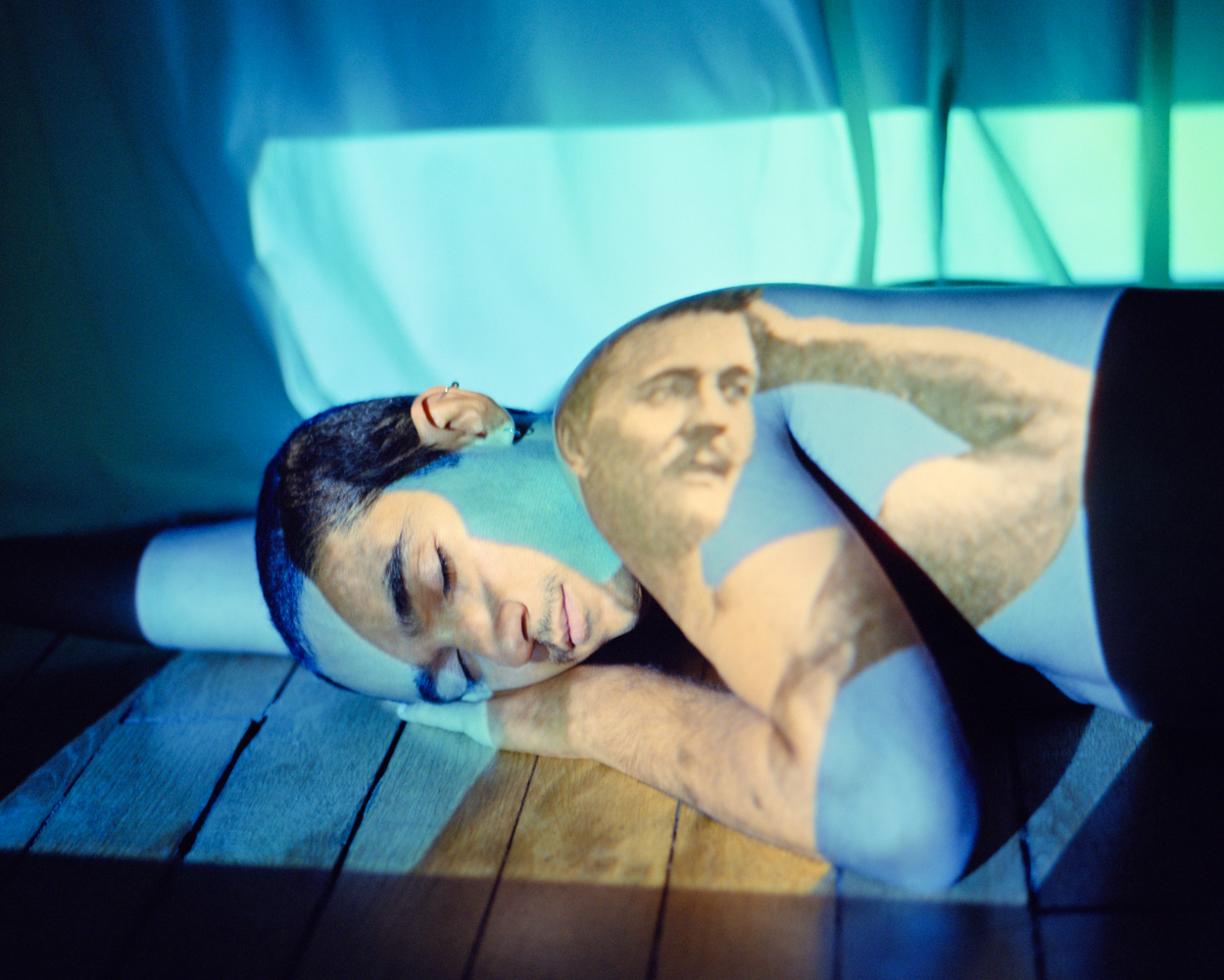
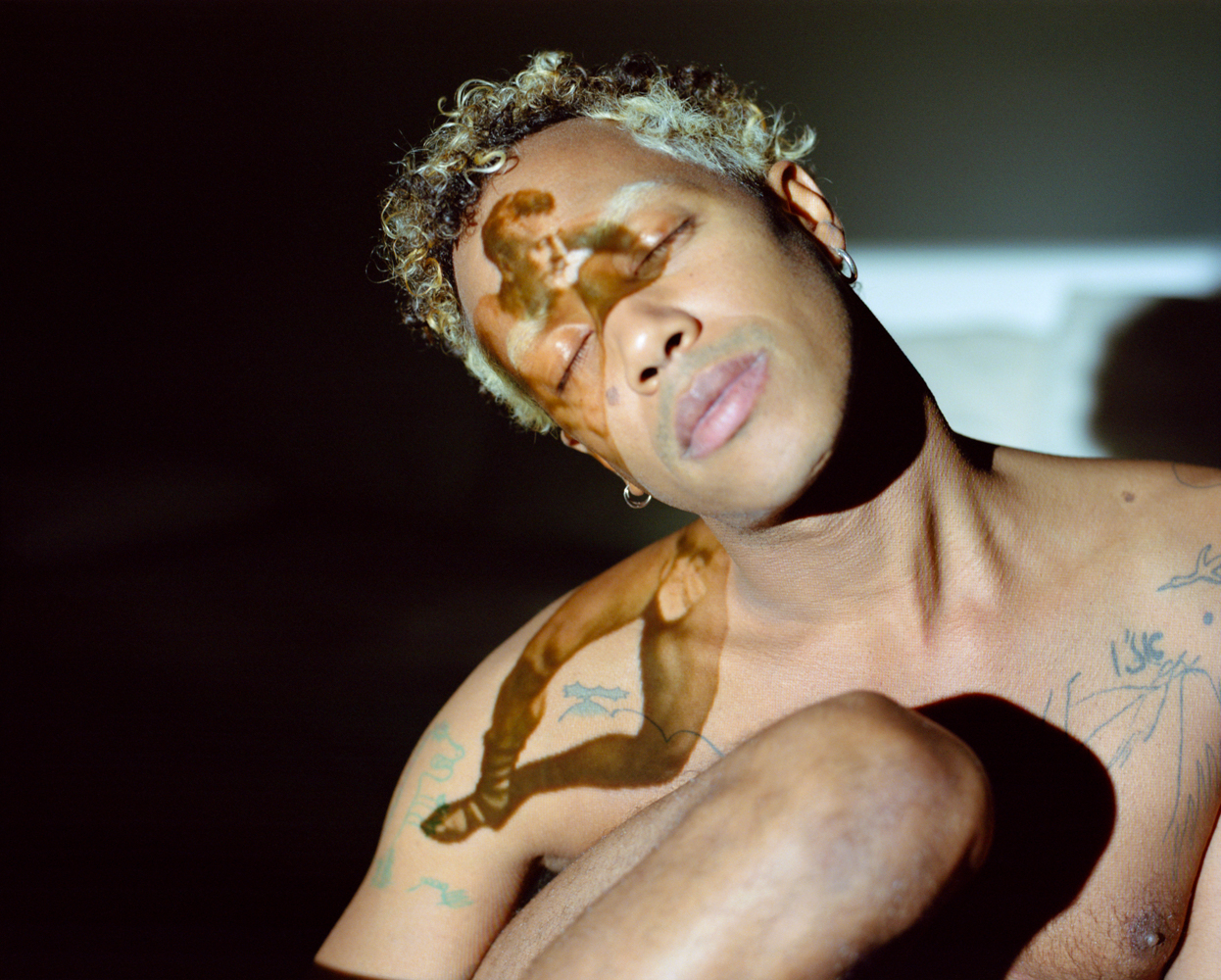
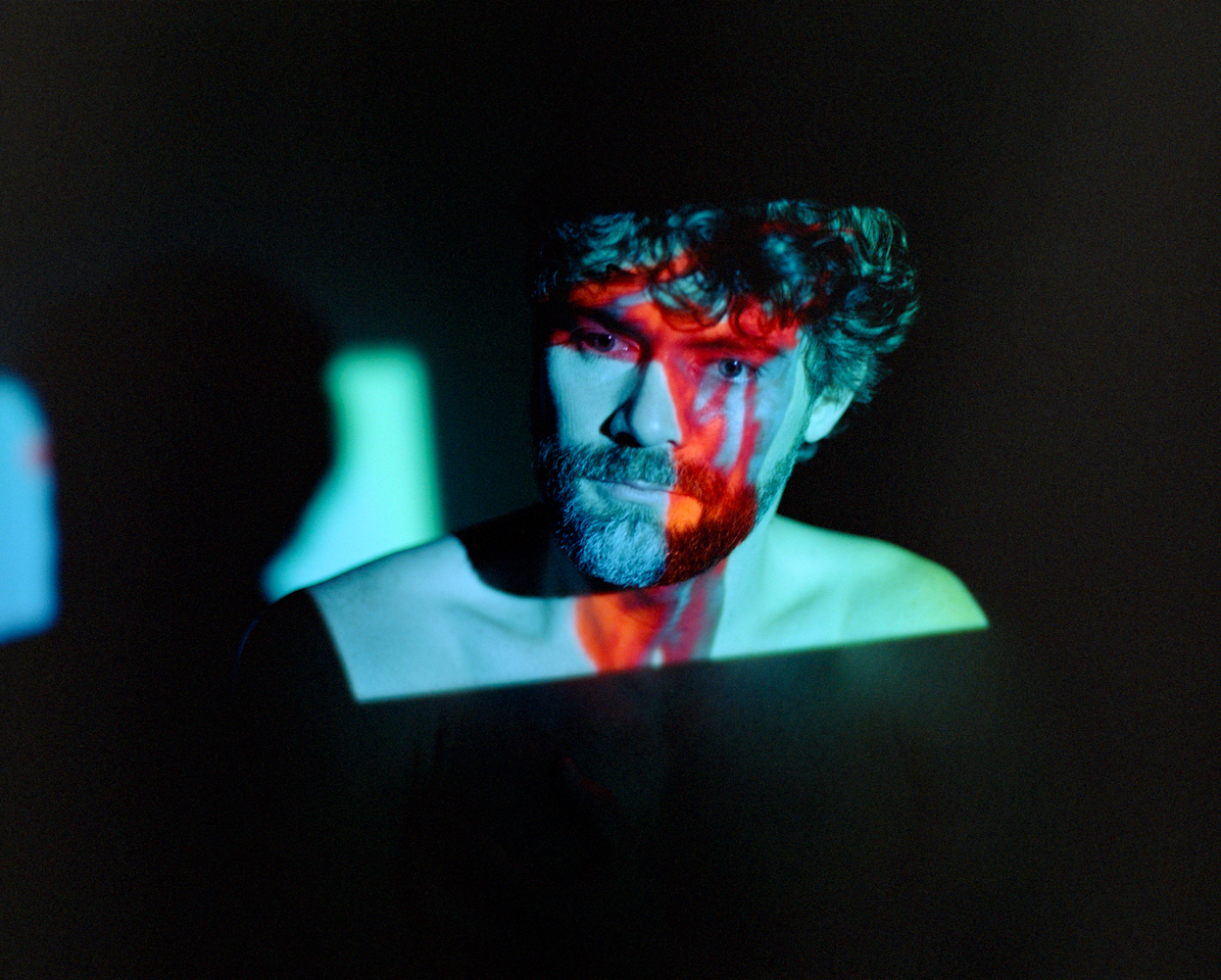
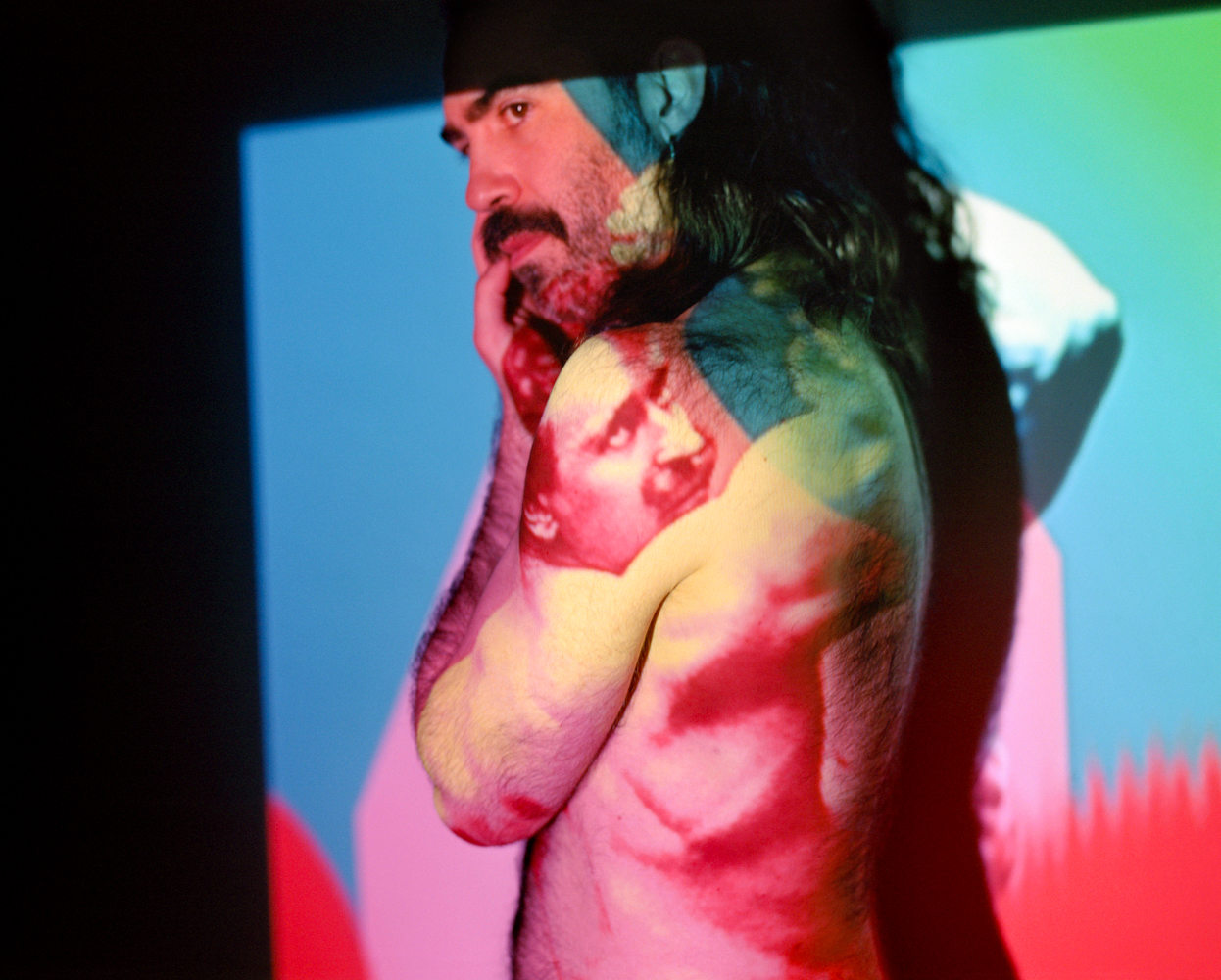
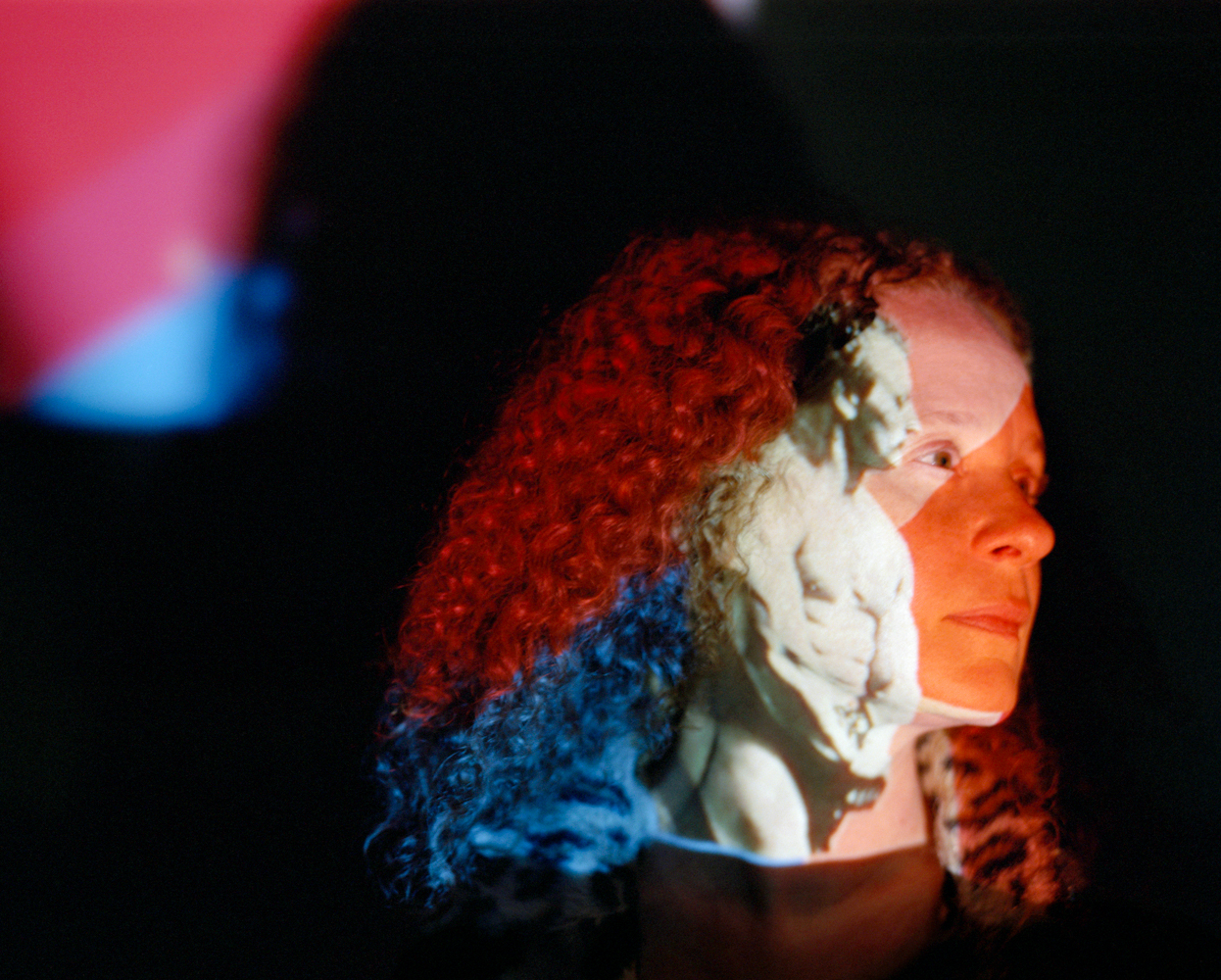
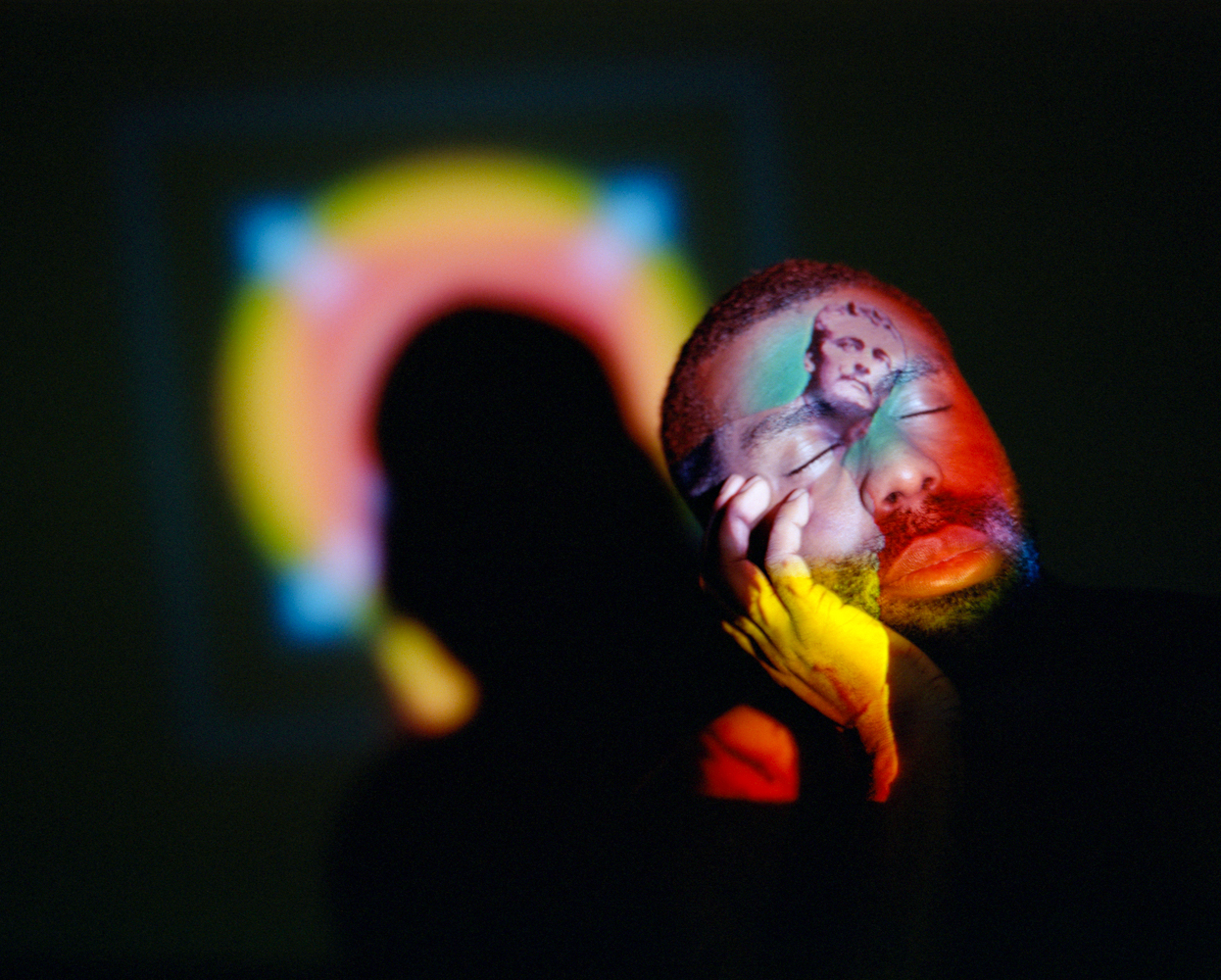
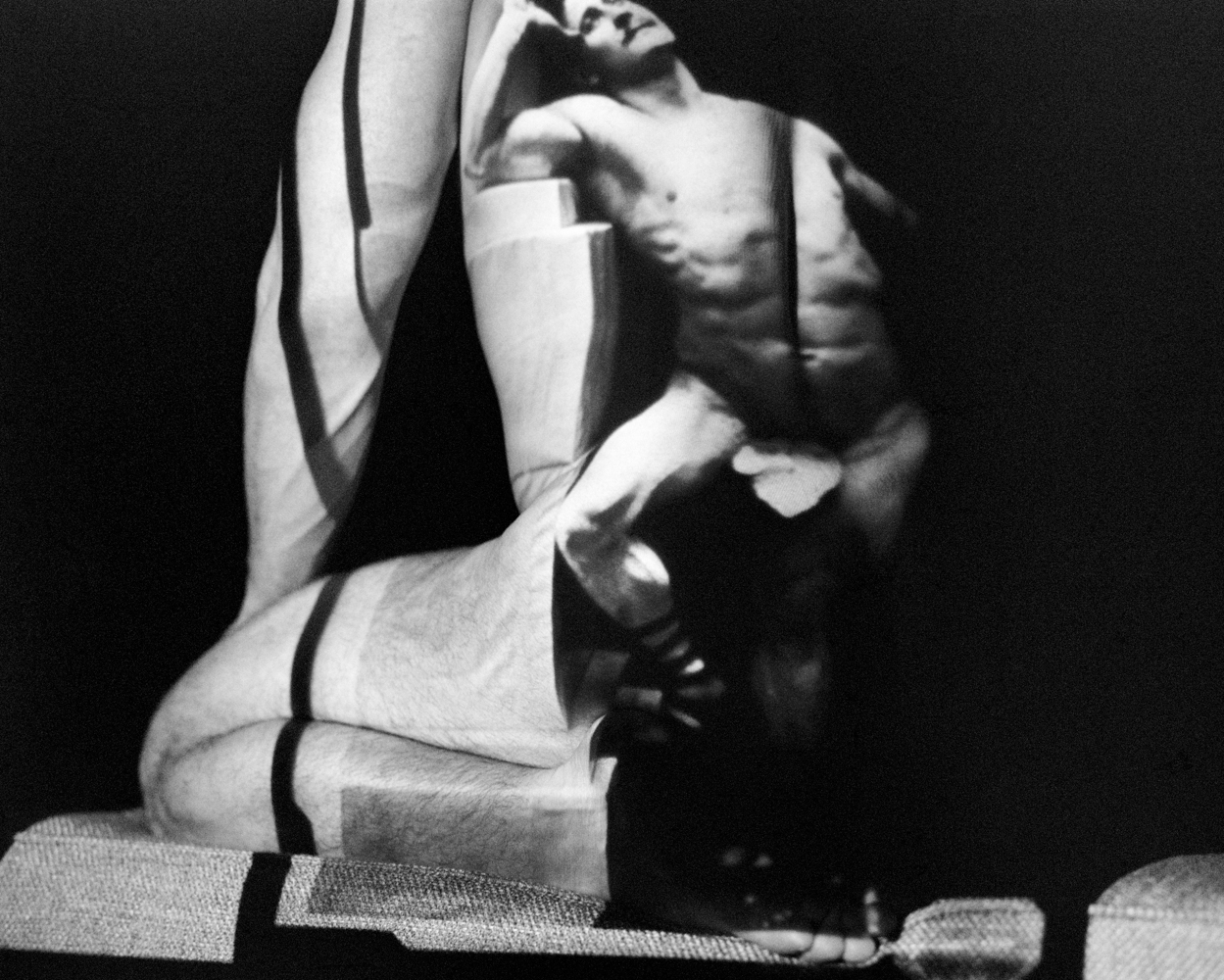
At the invitation of gallery owners Pierre Passebon and Florent Barbarossa, we explored the photographic archives of Eugen Sandow, a pioneer of bodybuilding at the end of the 19th century. To promote his method and illustrate the transformations of his musculature, he had himself photographed extensively. With the help of Arielle, Benjamin, Benoît, Emilia, Gaël, Luis, Matthieu, Rida, Sébastien, and Victor, we imagined what comes next...
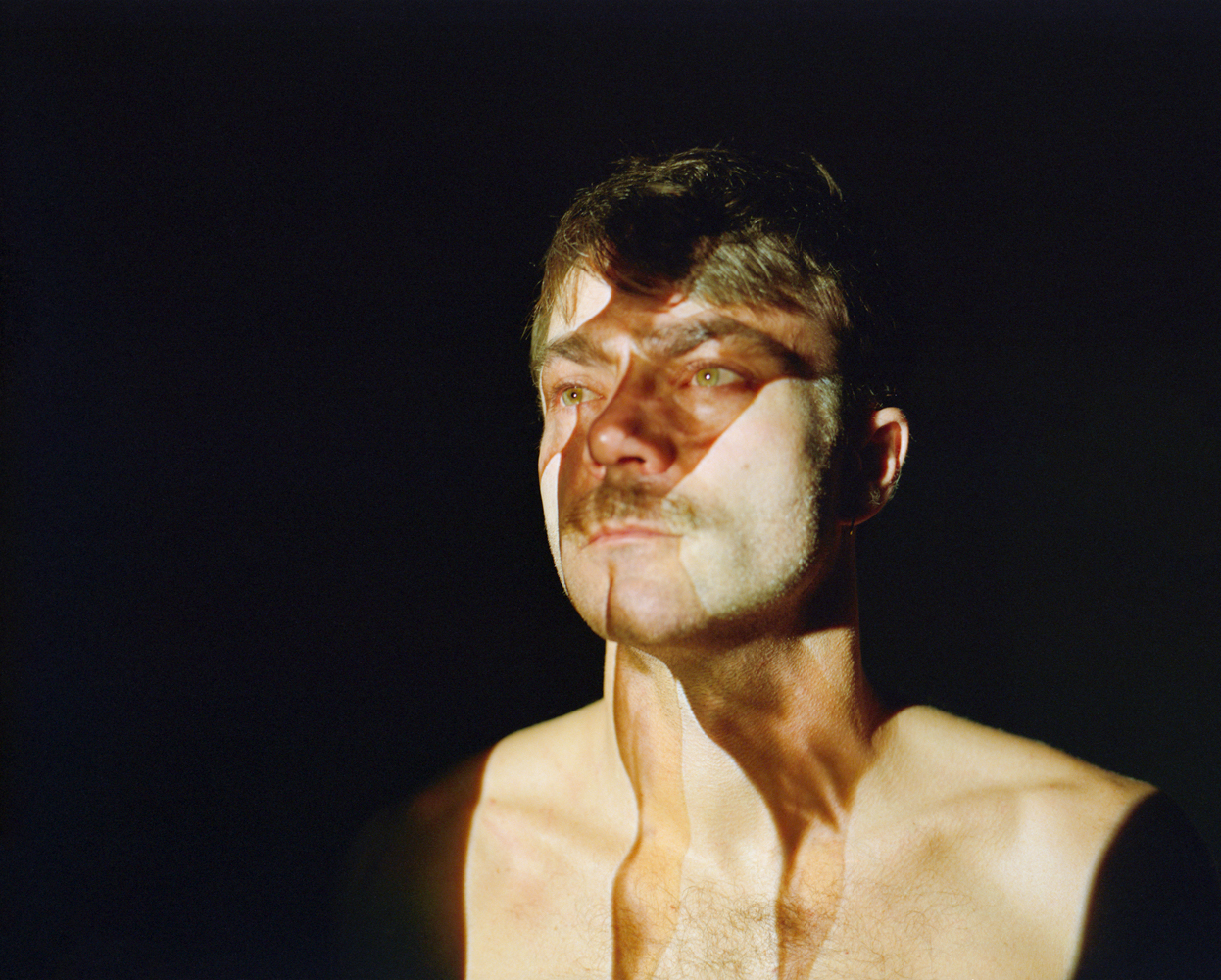
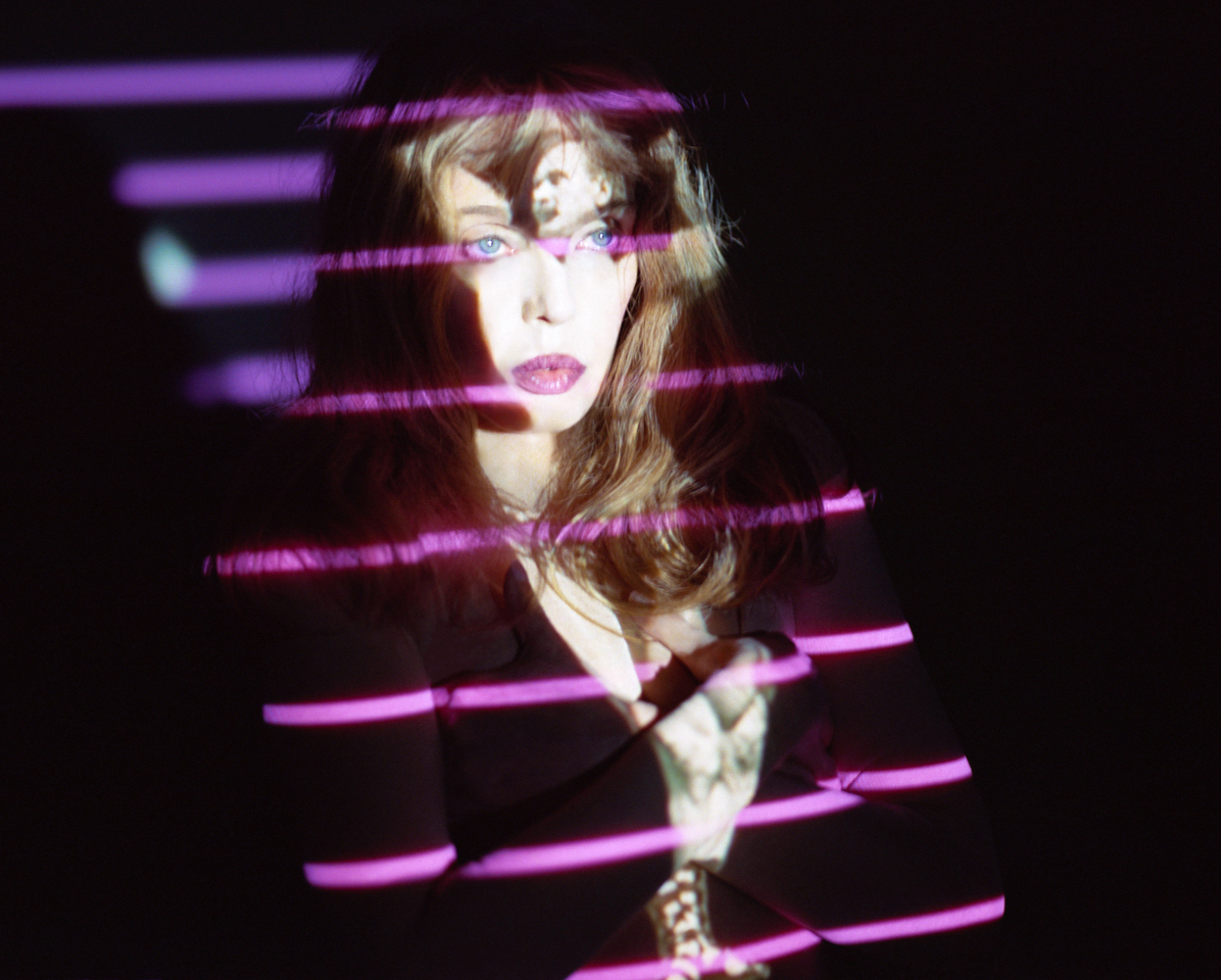
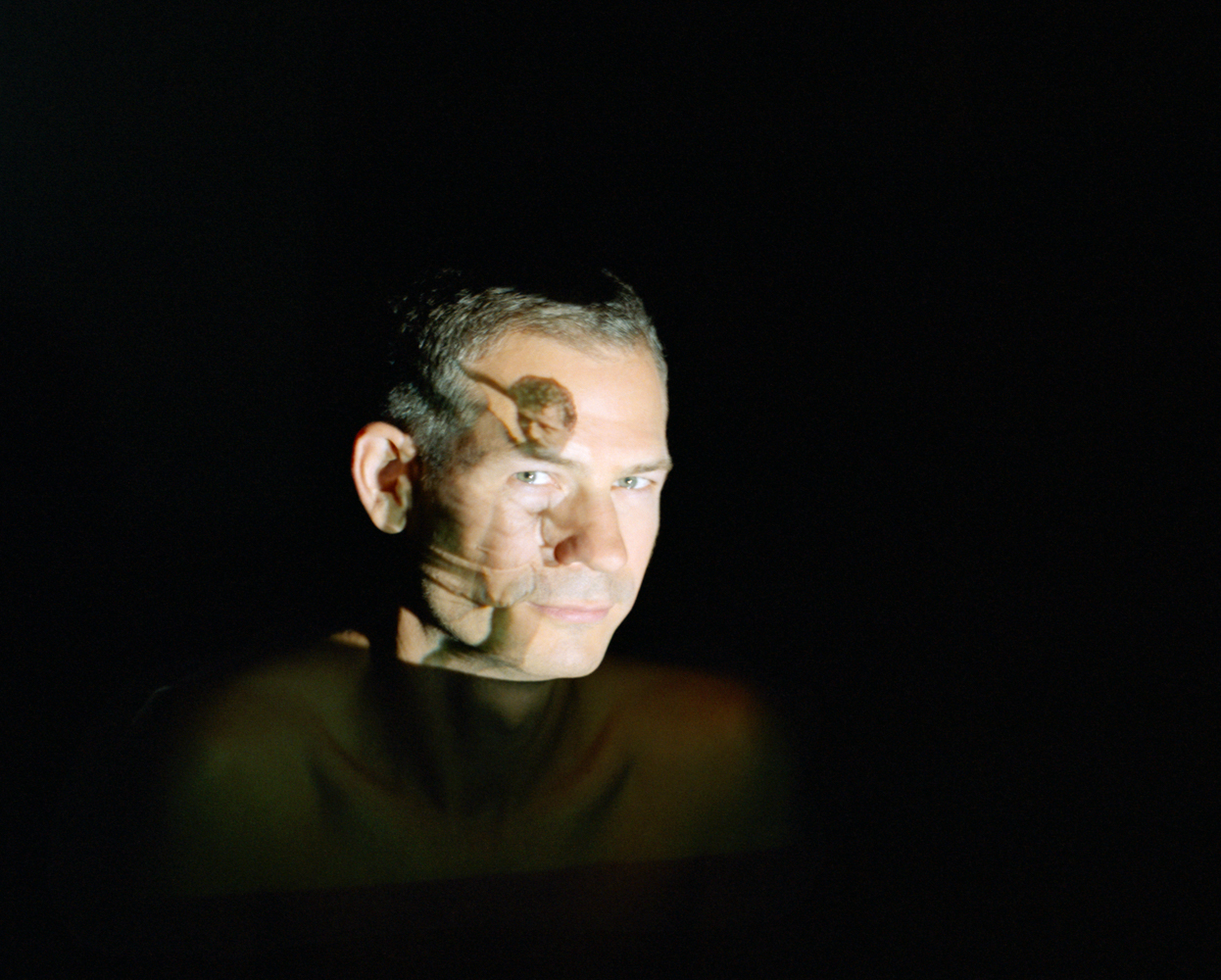
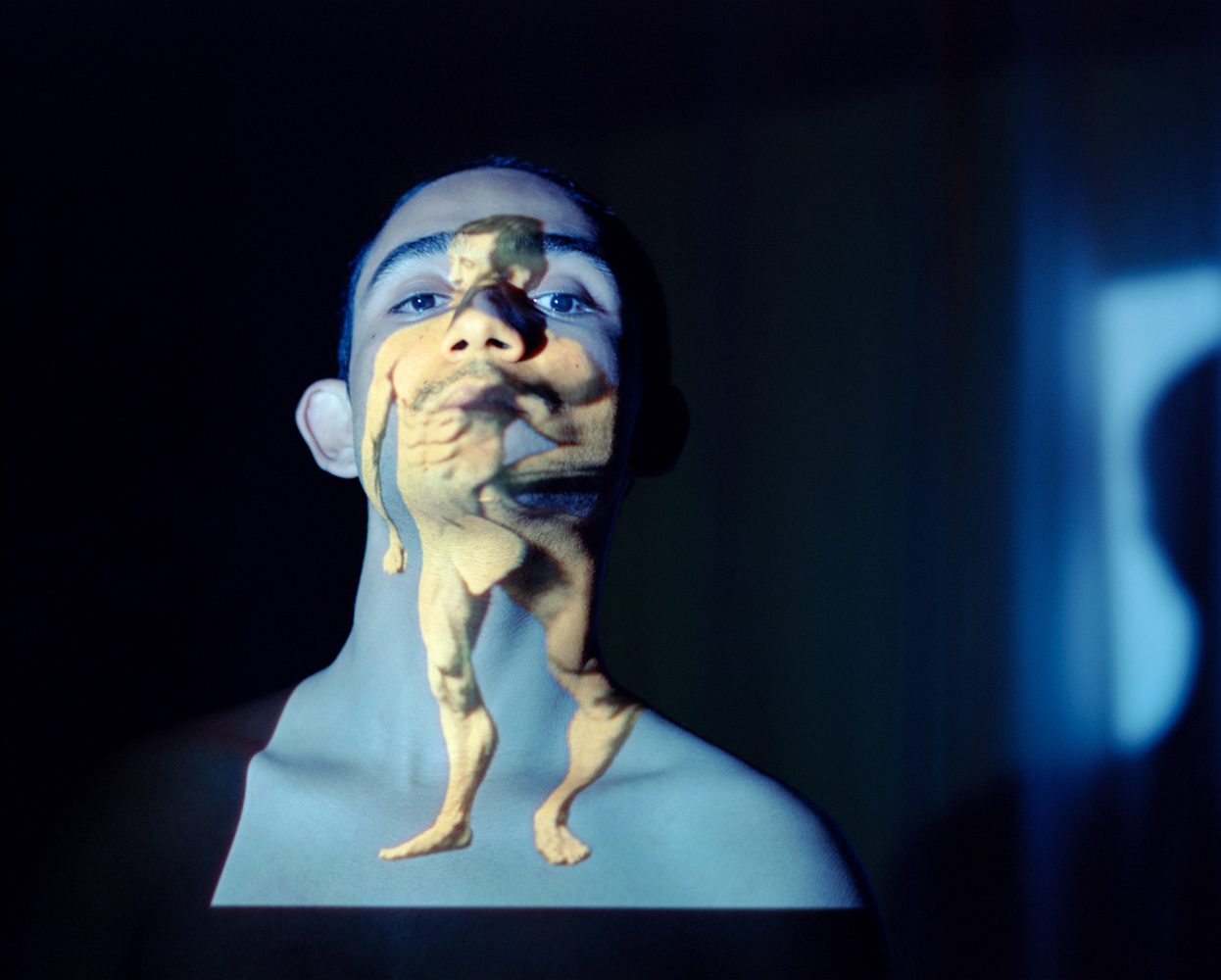
Eugen Sandow, born Friedrich Wilhelm Müller (1867-1925), was a German athlete considered the first bodybuilder in history and the father of modern bodybuilding and fitness.
At the end of the 19th century, strength shows enjoyed immense popular success. The "fairground Hercules" fascinated crowds with their displays of physical power. Sandow distinguished himself from his contemporaries with a radically different approach: rather than emphasizing brute strength, he paid particular attention to the aesthetics of his body.
Inspired by the ideal proportions of ancient statuary, which he discovered as a teenager during an initiatory trip to Italy, he sought to shape a harmonious, balanced, and sculptural physique. Through innovative exercises and modern dietetics, Sandow created an artistic discipline and laid the foundations of bodybuilding. Sandow was the first to discard the "trunks," those flesh-colored academic swimsuits that guaranteed Victorian morality and created an illusion of decency. On the contrary, he highlighted his nudity by oiling his body, wearing a fig leaf that emphasized rather than hid his masculine attributes, thus approaching the ideal of ancient marbles. He was the first to present male nudity as an object of desire. By abandoning himself to the gaze of others, he became the first male object. Through his stripteases, he modernized shows and competitions. His performances distanced him from strongmen and ancient marbles to announce the Chippendales.
Following the first stagings of the male body initiated by Eugène Sandow at the end of the 19th century, the work of Edouard Taufenbach and Bastien Pourtout questions the contemporary fabrication of the body as an image. Where Sandow sculpted flesh according to the ancient ideal, Edouard Taufenbach and Bastien Pourtout sculpt it with light. The body is not merely shown: it is composed, cut, fragmented, and placed under chromatic tension. Like nascent bodybuilding, it is no longer about performance but representation. Through a mise en abyme, the body becomes a surface, architecture, and a territory of projection.
Pierre Passebon entrusted his collection of original photographs of Eugen Sandow to Edouard and Bastien, as he had previously done with those of Marlene Dietrich. His interest in these two hardworking and disciplined Prussians is explained by these essential points: the body as a constructed work, a break with the norms of their time, seduction and eroticism in the exacerbation of their physique, their ambiguity and bisexuality troubling a wide audience: the body as a tool of power.
Marlene and Eugen, these two performers understood the importance of the image to assert their position, multiplying and disseminating their portraits throughout their lives. By updating these photographs, Edouard and Bastien extend the impact and modernity of these two icons. Where Sandow and Dietrich controlled the representation of their own myth, Edouard and Bastien's series exposes the contemporary tension: the masculine is both desired, scrutinized, and deconstructed. This work does not celebrate the body; it puts it in crisis.